


Technical Support
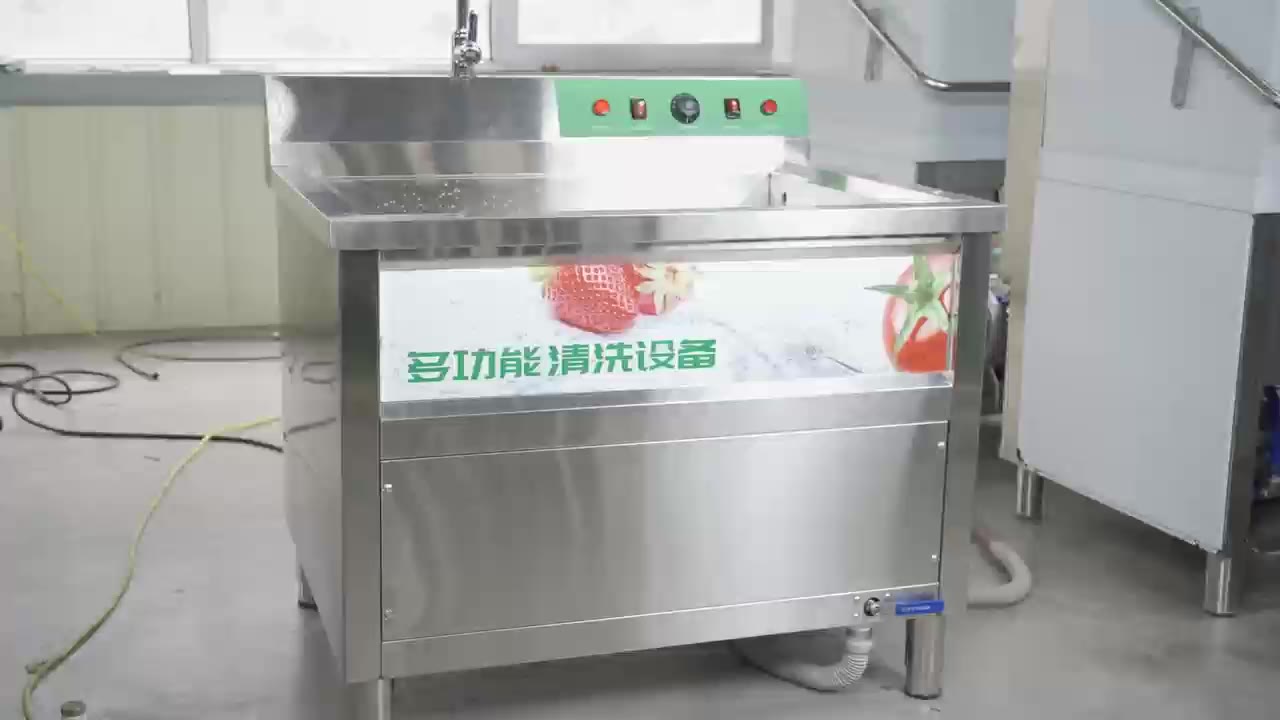
Water-saving, electricity-saving, labor-saving, and meets hygiene standards
Remove the residue
Leftover food scraps, such as rice, dishes, soup, and oil, will quickly contaminate the soaking water or the dishwasher's washing tub, making it cloudy and even greasy. This increases water usage, detergent consumption, and washing time, reducing washing effectiveness and efficiency. In severe cases, it may clog pipes and valves, preventing the machine from functioning properly. The correct procedure is to pour the food scraps from the dishes into the collection bin under the waste disposal area, and then allow the pre-cleaned dishes to proceed to the next stage.
soak
1. If left for too long, residue on the tableware will have dried, soup residue will have partially or completely dried into stains, and grease will have solidified into a waxy state. The tableware must be soaked in a soaking tank and manually cleaned before proceeding to the next step.
2. Soaking can be done in a regular soaking tank or an ultrasonic pre-washing tank. Ultrasonic pre-washing tanks offer better soaking results and save on detergent.
3. Using warm water above 40℃ will yield better results during soaking.
4. Soaking powder can be added during soaking. Soaking stainless steel or silver tableware may require silver powder, which is in accordance with relevant regulations. Sodium hypochlorite (84 disinfectant solution) is also used; it offers good, fast, and inexpensive soaking results, but it may harm the operator, and the cleaned tableware may have a residual odor for a short time, so it is not recommended.
Prewash
1. Most modern dishwashers use a high-pressure water jet on the pre-wash counter for pre-washing.
2. Water jets require 40℃~50℃ warm water to achieve satisfactory washing results.
3. Pre-rinsing dishes before they enter the dishwasher is an essential step. To conserve water, dishwashers use circulating water in the rinse tub. Very dirty dishes quickly make the water cloudy and dirty, and large particles can easily clog the pipes, hindering water flow, reducing washing efficiency, and in severe cases, damaging the dishwasher. Therefore, pre-rinsing with a showerhead before dishes enter the dishwasher can effectively avoid these problems.
Master of Baptism
1. The main wash spray water must be kept at a certain temperature; if the temperature is too low, a perfect washing effect will not be achieved. For example, the set washing temperature for the Lecor brand dishwasher is 70℃-80℃; if the required temperature is not reached, the computer program will not work.
2. An appropriate amount of special non-foaming detergent can be added to the washing tub, especially when the water temperature is too low or the water quality is too hard; increasing the amount of detergent can compensate for the cleaning effect.
3. Foaming detergents are strictly prohibited from being used! Foaming detergents react with protein residue to form bubbles, which will weaken the water pump pressure, making the spray water weak and seriously affecting the washing effect.
rinsing
1. Rinsing involves using high-temperature purified water for a final rinse of the dishes.
2. The temperature of the rinsing water must be between 80℃ and 90℃. The Lekel brand dishwasher automatically sets the rinsing temperature.
3. A drying and brightening agent can be added to the rinsing water to break down the surface tension of water molecules, forming a uniform and delicate water film on the surface of the dishes, thus preventing water mist, droplets, and stains.
4. Rinsing involves directly injecting tap water into the rinsing tank, heating it, and then using it for the final rinse of the dishes. If the water contains excessive calcium and magnesium ions, or is too hard, scale will form inside the rinsing tank and on the heating element walls, affecting heating efficiency. Furthermore, water stains on the surface of the dishes will increase significantly, especially on stainless steel dishes and glassware. In severe cases, the brightening agent will also lose its effectiveness. In such cases, users should consider adding a water softener.
Drying (optional)
1.Some dishwashers come equipped with a dryer, which is an optional extra upon request.
2. Existing dryers on the market rely on hot air circulation to dry dishes. Lecler also offers dryers with an air-knife mode, which, while technologically advanced, is more expensive.
3. Drying agents can partially replace the function of a dryer, but dryers also provide high-temperature sterilization, which drying agents cannot achieve.
4. Drying agents can significantly reduce water stains on the surface of dishes, making them look shinier. Dryers, however, may worsen water stains.
5. Dryers and drying agents are not contradictory; using them together yields optimal results.